
It covers help with or supervision of personal tasks like showering, dressing, toileting, eating and drinking, using aids and communication devices, and getting to appointments.
Assist-Personal Activities 107
Premier Care Connect > Assist-Personal Activities 107
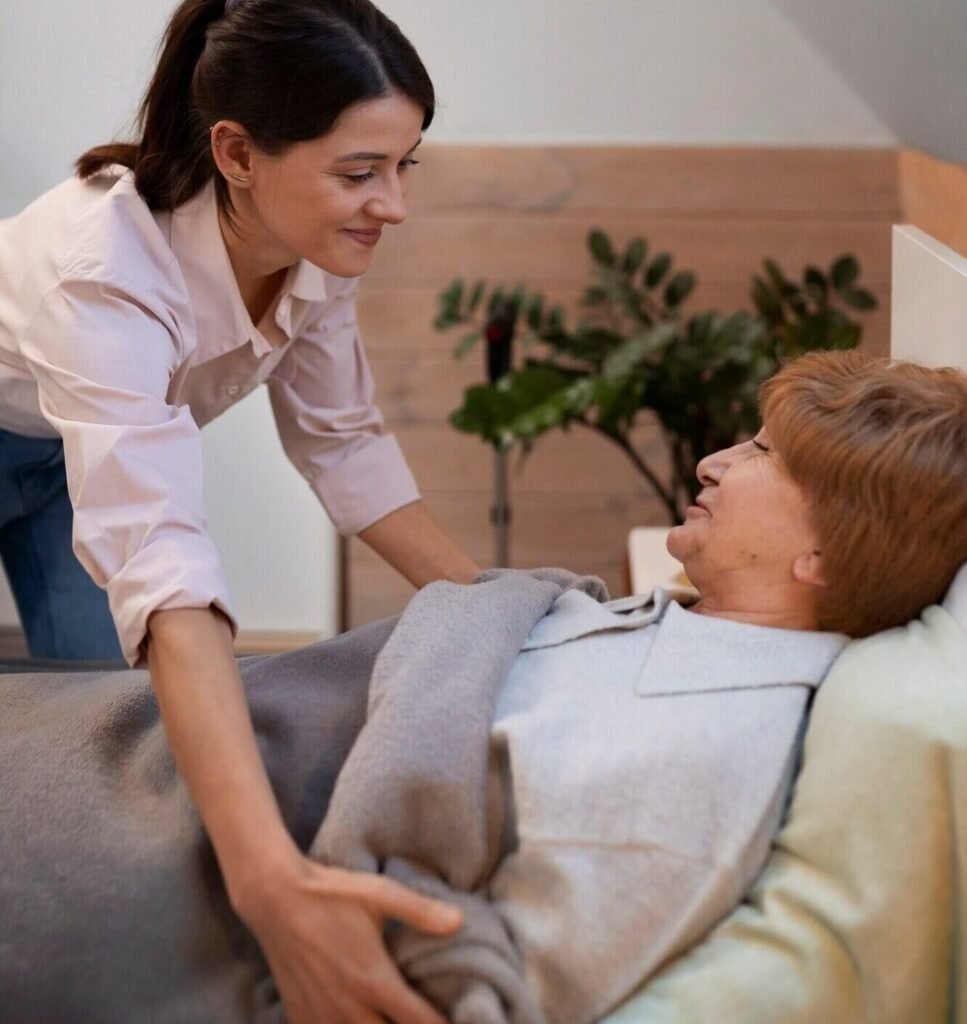
Assistance with daily personal activities
Respectful one to one support with essential self care at home and in the community. It covers assistance with daily personal activities and carries extra registration conditions for safety and choice.
- Showering, dressing, and grooming
- Mealtime assistance and simple meal prep
- Toileting and continence care as directed
- Mobility and transfers with safe techniques
- Medication prompts per your care plan
- Support to attend essential appointments
Why choose us
Why choose PCC for personal care

how to get started
Getting Started with Care
Book a One-Off Visit
Managing a single appointment or outing is simple.
With PCC, you can:
- Tell us the tasks you need help with
- Choose a time that works for you
- Confirm access, equipment, and preferences
- Safe, respectful personal care
- Quick check in after the visit
- Easy payment through your plan
Ongoing routine
For therapy blocks, work, study or weekly activities.
With PCC, you can:
- Build a daily or weekly care schedule
- Match with compatible workers
- Review safe techniques and equipment
- Update the plan as needs change
- Track outcomes for plan reviews
- Keep visits consistent and on time
Send Us A Message
Together, we can bring care, comfort, and possibilities to life.
faq
frequently asked questions
-
Q. What does “Assistance with Daily Personal Activities” include?
-
Q. Where in my plan is this funded?
It usually sits in your Core budget under Assistance with Daily Life, which pays for everyday supports that help you live as independently as possible.
-
Q. Is medication support part of personal care and who can provide it?
Yes. If you need health-related tasks like insulin, catheter care or enteral feeding, the NDIS can fund support at a standard or high-intensity level. A registered nurse assesses and trains the support worker when tasks are delegated, and the worker must have the right skills for safe delivery.
-
Q. What is the difference between standard personal care and high-intensity support?
Standard personal care covers non-complex tasks such as general hygiene and dressing. High-intensity daily personal activities apply when needs are complex or carry higher clinical risk, which triggers extra training, supervision and provider obligations under the NDIS Practice Standards.
-
Q. What protections apply to privacy, dignity and safety during personal care?
Registered providers and workers must meet the NDIS Practice Standards and follow the NDIS Code of Conduct, which require safe, respectful supports, protection of privacy and clear incident and risk management.